Japan’s tourism sector continues to show resilience, recording a new monthly high in March even as geopolitical tensions weigh on key visitor markets.
According to the Japan National Tourism Organisation, the country welcomed 3.6 million international visitors in March, marking a 3.5% increase year-on-year and setting a new record for the month.
The growth was largely driven by seasonal travel demand, particularly the start of the iconic cherry blossom period and overlapping school holidays in several regions.
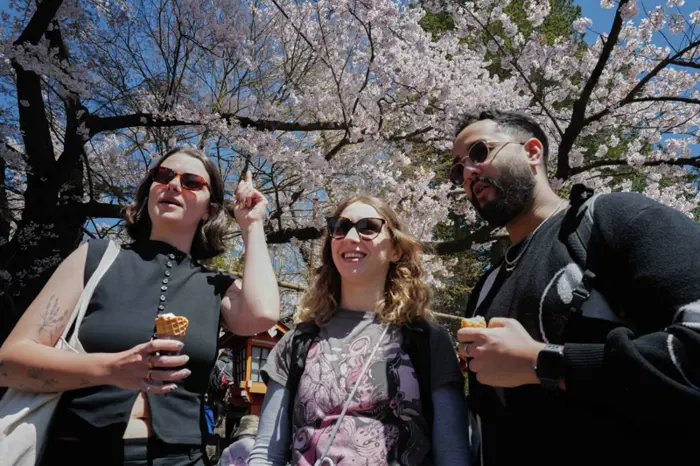
The annual sakura season, typically peaking from late March to early April, remains one of Japan’s strongest tourism draws. The blooming of delicate pink and white cherry blossoms signals the arrival of spring and is celebrated nationwide with “hanami” gatherings, where locals and tourists alike gather in parks for picnics and festivities.
Despite the overall increase, visitor numbers from certain regions declined sharply. Arrivals from China dropped 56% year-on-year to 291,600, continuing a downward trend after travel advisories were issued by Beijing. Chinese tourists were previously Japan’s largest inbound market, but numbers have been falling steadily in recent months.
The decline comes amid strained diplomatic relations between Japan and China, following remarks by Prime Minister Sanae Takaichi in November suggesting potential military involvement in a Taiwan-related conflict. China, which views Taiwan as part of its territory, reacted strongly to the comments, further escalating tensions.
Meanwhile, arrivals from the Middle East also declined by 30% to 16,700, attributed to the ongoing Iran conflict.
In contrast, other markets have helped offset these declines. Visitors from South Korea have emerged as the largest group since January, while arrivals from Mexico surged by 70%. Southeast Asian markets also showed strong growth, with visitor numbers from Malaysia and Vietnam increasing by nearly 45% each.