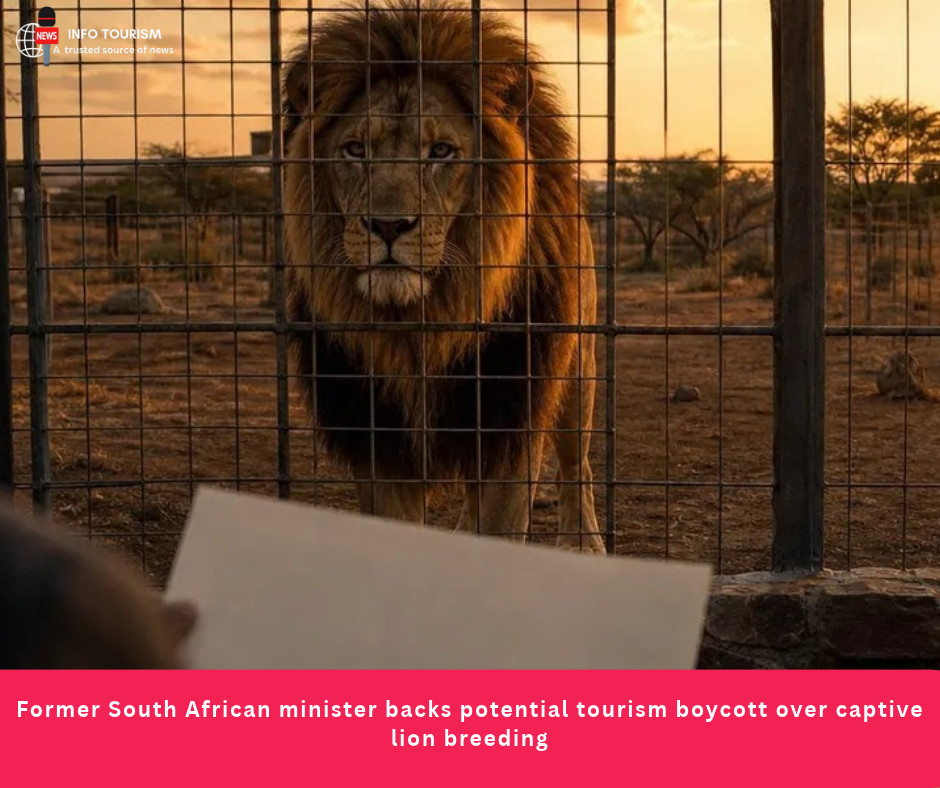
CAPE TOWN: Former South African Environment Minister Dion George has said he would support international economic pressure, including a possible tourism boycott, if the government fails to introduce a ban on new facilities that breed and keep lions in captivity.
According to Daily Maverick, George is urging current Environment Minister David Maynier to sign a document prohibiting the establishment of new captive lion facilities. The proposed measure was unanimously approved by all nine provinces in South Africa’s National Council of Provinces in March.
George has expressed concern over the delay in implementing the measure, suggesting that political pressure within the Democratic Alliance could be a factor, although he has not provided evidence to support the allegation. He also plans to join a campaign in the United Kingdom calling for a ban on the import of hunting trophies.
South Africa moves towards ending captive lion industry
The proposed restrictions form part of South Africa’s broader efforts to phase out the commercial captive lion industry.
In June 2025, the ministry under George submitted a draft resolution to the National Council of Provinces seeking to prevent the establishment of additional facilities while the government works towards implementing its March 2024 decision to end the commercial keeping of lions in captivity.
South Africa also maintained a zero export quota for lion bones in 2025. However, the South African Predator Association (SAPA) subsequently approached the High Court in Pretoria on October 20 and 21, seeking a review of the quota decision. The case remains pending.
Tourism industry faces growing ethical debate
George described the commercial breeding of lions for their bones as unacceptable and urged international visitors to consider the ethical implications of spending money in a country where such practices continue.
He also intends to bring the issue of captive-bred lion hunting into the political debate ahead of South Africa’s 2029 general election.
Meanwhile, the office of Agriculture Minister Willie Aucamp has rejected George’s allegations of pressure to transfer the regulation of commercially bred wild animals to the agriculture department, describing the claims as unfounded.
SAPA, which opposes a complete ban on captive lion facilities, said it supports stronger industry standards, a national lion register and regular inspections. The association estimates that between 8,000 and 12,000 lions are currently held in such facilities across South Africa.
The growing debate highlights the intersection of wildlife conservation, animal welfare and international tourism, with potential implications for South Africa’s tourism reputation and its relationship with overseas visitors.